Content Optimization. Fashion Industry in Ecommerce in Search of Lost Traffic. Part 2
TL;DR Why do fashion stores lose traffic? Fashion demand moves with the seasons, the weather and the economy. Established retailers plan around these shifts with years of data; new stores have to learn them, and until they do, a drop in traffic is easy to misread as an SEO problem. Before you change anything, check […]
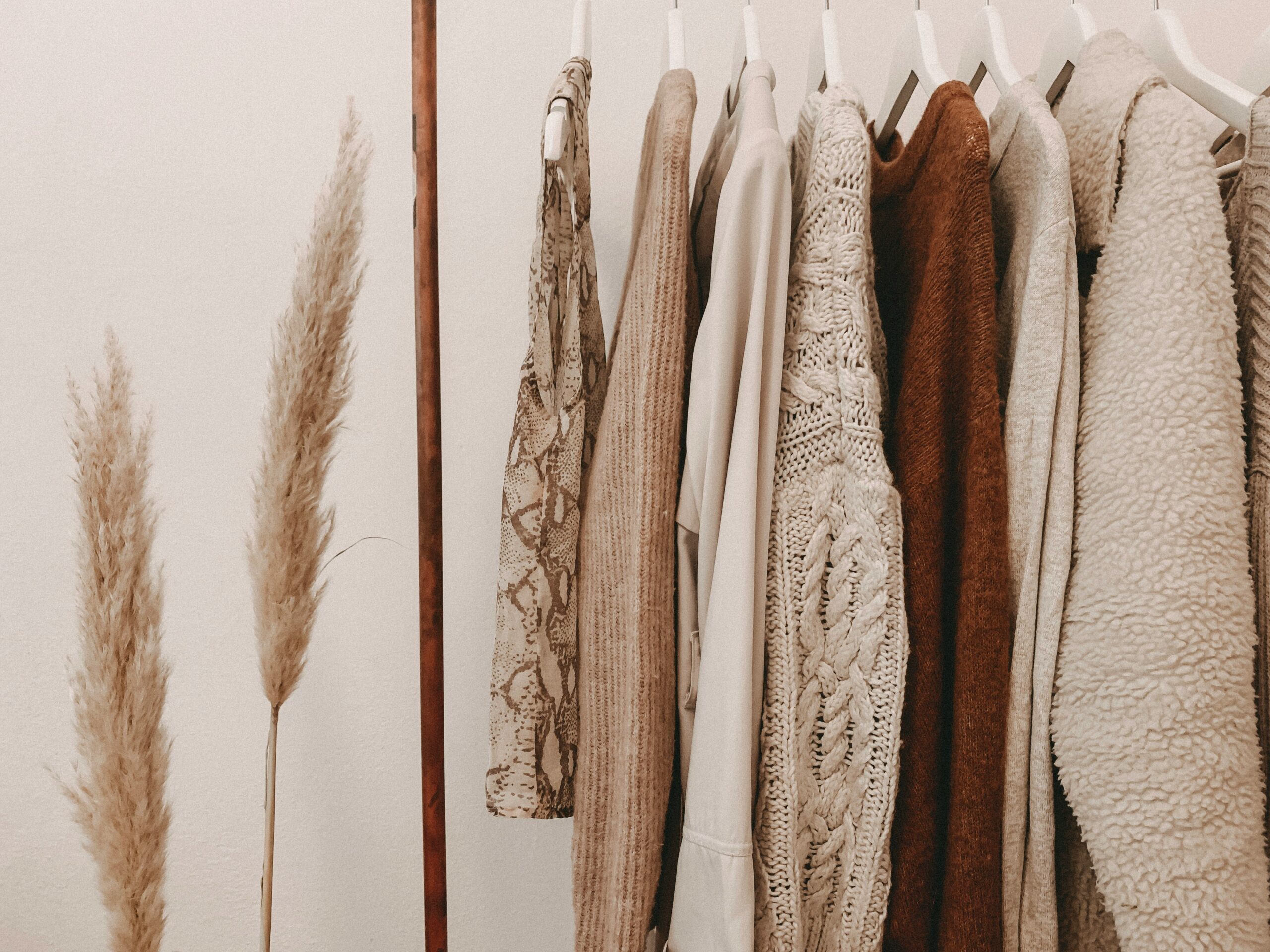
TL;DR
- When a category loses demand (off-season, bad weather, an economic downturn), rewrite its description around year-round uses of the same products, for example swimwear for the pool, aqua aerobics or the spa.
- Build landing pages for occasions and styles (wedding guest, concert, office party, gifts) that group products from several categories, with unique copy that doesn’t compete with existing categories.
- Publish guides 2–3 months before the season and answer real questions: fit, body types, sizing, what to wear where.
- Keep promotions honest and current: in the EU, show the lowest price from the 30 days before a discount.
- In a crisis, communicate support and values before selling.
Why do fashion stores lose traffic?
Fashion demand moves with the seasons, the weather and the economy. Established retailers plan around these shifts with years of data; new stores have to learn them, and until they do, a drop in traffic is easy to misread as an SEO problem. Before you change anything, check which of these causes you are dealing with.
| Cause | How it shows in the data | Predictable? | What to check |
|---|---|---|---|
| Seasonality | Searches and traffic for a category rise and fall at the same time every year | Yes | Google Trends for 5 years, year-on-year GSC data |
| Weather anomalies | The seasonal peak comes early, late, or is shorter or higher than usual | Partly | Trends vs last year, weather data for your markets |
| Crises and downturns | Demand drops across many categories at once | No | Trends for the whole sector, market reports |
| Technical or ranking issues | Traffic falls while demand (Trends) stays the same | — | Rankings, indexing, Google updates |
How does seasonality affect fashion e-commerce?
Seasonal products sell in a short window, often around three months; outside it, searches, traffic and sales are much lower. Stores that sell only one seasonal range (ski wear, swimwear) feel this most. Stores with a full range can balance it with other categories, if their SEO and paid search are planned around the calendar. Seasonality is strongest in markets with four distinct seasons, such as Poland, where the peak is short and competitors who prepare earlier take most of the traffic. Plan dates with our seasonal calendar.
How does the weather change fashion demand?
Weather shifts seasonal demand in ways you can’t plan for. A mild, snowless winter leaves down jackets and insulated boots unsold; a cold, rainy summer hurts dresses, sandals and swimwear. A long winter delays the spring wardrobe change, shortens the spring selling season and forces earlier discounts. For SEO, that means rankings for spring keywords bring fewer visits than expected, even though positions haven’t changed.
Poland shows this well. June 2019 was the warmest June since records began in 1951 (IMGW), and searches for swimwear peaked with it. June 2026 was the third warmest, with a national record of 40.5°C in Słubice on 28 June (IMGW via xyz.pl). A store that plans this year only from last year’s data will over- or under-stock and misread its traffic. Compare traffic with demand in Google Trends before you judge performance.
How do crises affect fashion e-commerce?
Economic and health crises change what people buy almost overnight. In 2020, COVID-19 lockdowns closed stores and moved life indoors; McKinsey estimated that global fashion sales fell by 15–30% and economic profit by around 90% that year (BoF and McKinsey). Online sales grew, but they couldn’t make up for closed stores and lower demand for clothing and footwear. When demand drops across the whole sector, rankings alone won’t bring traffic back; you need content that matches what people need at that moment.
The sections below show how to respond with content: category descriptions, landing pages and the blog.
Why is content the best lever when traffic drops?
Demand for a product type doesn’t disappear when its season ends; it moves to other uses, occasions and questions. Content lets you meet that demand with the products you already have. Valuable content answers the questions shoppers actually ask, helps them choose and brings them back. It is not keyword-stuffed marketing copy, and it doesn’t swap the answer for a sales pitch: someone searching “how to choose running shoes” needs a guide to foot type, cushioning and sizing, with your products shown where they genuinely fit.
The same content also feeds AI search. Google’s AI Overviews and AI Mode, ChatGPT and Perplexity answer fashion questions (“what to wear to a winter wedding”, “best swimsuit for a large bust”) by citing pages that answer clearly. Being named on many trusted sites matters more for AI visibility than links alone (Ahrefs), and AI crawlers usually read only server-rendered HTML (Vercel), so keep descriptions and guides out of JavaScript-only tabs.
| Cause of the drop | Content response | Example |
|---|---|---|
| Off-season for a category | Rewrite the category description around year-round uses | Swimwear → pool, aqua aerobics, spa |
| Season-dependent styles | Cover several seasons and styles in one category | Dresses → long sleeve, knitted, occasion dresses |
| Part of the range doesn’t sell | Landing pages for occasions and styles mixing categories | Concert outfit, office party outfit |
| Economic downturn | Gift landing pages and vouchers | Birthday gifts for her, gifts for teenagers |
| Crisis (lockdown, disaster) | Support and community content, not sales | Working from home, how brands help |

Make your brand visible – from Google to AI chatbots.
How should you optimize category descriptions for the off-season?
Start with how flexible the category is. Swimwear peaks in summer, but people swim at the pool, the waterpark and the spa all year. Research keywords for those uses and organise the description around them with H2 headings that match real searches, for example “Sport swimwear”, “Swimsuits for aqua aerobics” or “Swimsuits for the pool”. Headings help search engines and AI understand what the page covers; they don’t create sitelinks, which Google generates automatically.
| Keyword (swimwear) | Monthly searches (US, Mangools, 12-month average, Nov 2026) | Year-round use |
|---|---|---|
| sport swimwear | 3,000 | Pool, training |
| athletic swimwear | 3,300 | Pool, training |
| swimsuits for water aerobics | 820 | Classes all year |
| swimming pool swimsuit | 590 | Pool, spa |
| swimwear sale | 9,600 | Off-season promotions |
Dresses work the other way round: they sell all year, but the popular type changes with the season (light and strappy in summer, knitted and long-sleeved in winter). If all dresses sit on one URL, cover styles, lengths, fabrics and occasions in the description so the page matches demand in every season. Spring dresses often work in early autumn too, so an unsold collection can be presented again later.
| Keyword (dresses) | Monthly searches (US, Mangools, 12-month average, Nov 2026) | Type |
|---|---|---|
| white dresses | 253,000 | Colour |
| long sleeve maxi dress | 27,800 | Style and length |
| casual dresses | 38,300 | Occasion |
| denim dresses | 92,500 | Fabric |
| dresses for short women | 4,000 | Fit |
What should title tags and meta descriptions say?
Describe the page first, then add what makes the offer stand out: the range, sizes, delivery or a real promotion. Change them with the season. Emoji can be tested, but Google may not show them and often rewrites titles and descriptions, so the wording has to work without them.
| Season | Title | Meta description |
|---|---|---|
| Off-season (swimwear) | Sport Swimwear for Women, Men & Kids | Sale up to 50% | Swimsuits for the pool, training and aqua aerobics in all sizes. Sale up to 50% on selected styles, free delivery on orders over PLN 199. |
| Spring (dresses) | Spring Dresses: Maxi, Midi & Long Sleeve | Your Store | Light spring dresses for the office, dates and weekends, in sizes XS–XXL. New styles weekly, delivery in 24 h. |
| Autumn (dresses) | Autumn Dresses: Knitted & Long Sleeve | Your Store | Warm knitted and long-sleeve dresses for work and evenings, in sizes XS–XXL. Free returns within 30 days. |
Promotions in titles must be true and kept up to date. In the EU, any discount must be shown next to the lowest price from the 30 days before it. Add the same promotions in Merchant Center (Google) and keep product descriptions and Product data (Google) complete, because Shopping results and AI shopping answers read them.


When are themed landing pages better than categories?
When only part of the range suffers from seasonality, or demand matches no existing category. A landing page is a separate, indexable URL in the site structure that groups products from several categories around an occasion, style or need. Filters do something similar, but most filter combinations shouldn’t be indexed (Google); choose a few with real search demand and turn them into landing pages with their own copy.
| Landing type | Example keywords | Monthly searches (US, Mangools, 12-month average, Nov 2026) | When it helps |
|---|---|---|---|
| Occasion | concert outfit, office party outfit, club party outfit | 27,400 (concert outfit) | Mix seasonal items into year-round looks |
| Style | vintage style clothes | 3,500 | Trend-driven demand |
| Activity | hiking clothes | 10,000 | Combine clothing and footwear |
| Gifts | birthday gift ideas, gift ideas for teenager, gifts for fashion lovers | 20,000 (birthday gift ideas) | Downturns, holidays, vouchers |
How do you build a landing page that ranks?
- Pick the topic from data: autocomplete, People also ask, your store’s internal search and Search Console queries.
- Check for overlap: the landing page needs its own intent and keywords so it doesn’t compete with existing categories.
- Write unique copy: a short intro, styling tips (which pieces work together) and an FAQ.
- Make it crawlable: a plain HTML link from the menu or home page, internal links from related categories and articles, included in the sitemap.
- Keep it alive: update products and dates each season instead of creating a new URL every year.
Gift landing pages work especially well in a downturn: birthdays, anniversaries, Mother’s Day and Christmas still happen. Add gift vouchers as an alternative to choosing a size or style. Plan dates with our seasonal calendar.

Let your customers find you, wherever they look.
How can a store blog prepare shoppers for the next season?
Publish guides 2–3 months before the season, when shoppers start researching. Answer questions about fit, body types, sizing and what to wear for an occasion, and link to matching categories in a natural way. Use trend data to choose topics early, and promote articles through the newsletter and social media.
| Topic cluster | Example questions | Link to |
|---|---|---|
| Swimwear fit | bathing suits for body types, swimsuits for a large bust, swimsuits to hide a belly | Swimwear category |
| Jeans fit | best fitting jeans, jeans for men with big thighs, jeans for a pear-shaped body, jeans for short women | Jeans category |
| Seasonal guides | what to wear in winter, fashionable winter jackets, new fashion trends 2026 | Jackets, new collection |
| Occasions | what to wear to a wedding, dresses for a winter wedding guest | Occasion landing page |
To map questions, use AnswerThePublic (ATP) or similar tools together with People also ask, your internal search, Search Console and the questions customers ask support. Group them into clusters: one main guide answers the core question, shorter articles cover related ones. More ideas: 9 blog content ideas.
Write each guide answer-first: a direct answer in the first two sentences, then a table or checklist (for example sizes or body types), then details. That format suits both featured snippets and AI answers.

What should you publish when a crisis stops sales?
When shops close or customers stop spending, pushing new collections looks tone-deaf. Content that helps and supports keeps the relationship: dressing comfortably for working from home, reviewing the wardrobe, staying active at home. Show what your brand does for the community and why.
Example from 2020: during the first COVID-19 lockdown, our client Medicine (wearmedicine.com), together with Answear.com, donated 20,000 masks to hospitals and then sold masks for PLN 1.50 each to fund more donations. Within a few days customers bought a further 30,000 masks on both platforms. The campaign had its own landing page and was communicated on social media and the blog.

FAQ
How do I recover traffic for a seasonal category in the off-season?
Rewrite the category description around uses that don’t depend on the season, add H2 sections for those uses, update the title and meta description, and link to the category from relevant guides.
Should I create a new category page for each season?
No. Keep one URL per category or landing page and update its content each season, so it keeps its history and links.
Can landing pages compete with my categories?
Yes, if they target the same keywords. Give each landing page its own intent (an occasion, style or gift) and its own copy.
How far ahead should I publish seasonal content?
Two to three months before demand starts rising, so it is indexed and has links when shoppers begin researching.
Do emoji in titles increase clicks?
Sometimes, but Google may not display them. Test them and make sure the title works without them.
Is my traffic drop seasonal or an SEO problem?
Compare your traffic with Google Trends for the same keywords and period. If demand fell by a similar amount, it’s seasonal or market-wide; if demand held and your traffic fell, check rankings, indexing and recent Google updates.
Sources
- Google Search Central: Sitelinks
- Google Search Central: Title links and Snippets
- Google Search Central: Featured snippets
- Google Search Central: Managing crawling of faceted navigation URLs
- Google Search Central: Creating helpful content
- Google Search Central: Product structured data
- Google Merchant Center: Promotions
- Ahrefs: AI brand visibility correlations
- Vercel: The rise of the AI crawler
- BoF and McKinsey: The State of Fashion 2021
- IMGW: Warunki termiczne w Polsce w czerwcu 2021 r. (porównanie z czerwcem 2019)
- Google Trends Help: How Trends data is adjusted
About the author: This article was prepared by the Insightland SEO and GEO team. Insightland is a Wrocław-based agency, part of the Hexe Capital Tech Hub, that connects business, tech and data: SEO and GEO, performance marketing, UX and analytics, and SEO and AI training. Contact us.