Update on Summer 2020 Seasonality Trends
TL;DR The first half of the year is full of short shopping seasons, from Valentine’s Day to summer sales. Each has its own search peak, and stores that prepare their pages early take most of the traffic. Here is when searches start rising in Poland and most of Europe, and what to prepare before each […]
TL;DR
- Prepare seasonal pages and guides 6–8 weeks before searches start rising, so they are indexed and ranking in time.
- Key dates for Poland: Valentine’s Day, spring fashion and garden, Easter, Mother’s Day (26 May), summer products, holidays and summer sales.
- Optimize existing seasonal categories every year instead of creating new URLs.
- Prepare the server for traffic peaks: errors in peak season hurt sales and can slow down Google’s crawling.
The first half of the year is full of short shopping seasons, from Valentine’s Day to summer sales. Each has its own search peak, and stores that prepare their pages early take most of the traffic. Here is when searches start rising in Poland and most of Europe, and what to prepare before each season.
Make your brand visible – from Google to AI chatbots.
When should you prepare for spring and summer?
| Event | Searches start rising | Prepare content and pages by | What shoppers look for |
|---|---|---|---|
| Valentine’s Day | Mid-January | December | Gift ideas for her and him, jewelry, experiences |
| Spring fashion and garden | February–March | January | Spring jackets, sneakers, garden furniture, plants |
| Easter | 3–5 weeks before Easter | 6–8 weeks before | Decorations, food, gifts for children |
| Mother’s Day (PL: 26 May) | Late April | Early April | Gift ideas, flowers, cosmetics |
| Summer: pools, air conditioners, garden | April–May (peak June–July) | March–April | Above-ground pools, fans and air conditioners, grills |
| Holidays and travel | May–June | April | Suitcases, beachwear, travel accessories, guides |
| Summer sales | Late June–July | June | Sales on clothing and seasonal products |
How do you prepare for the summer season?
- Optimize seasonal categories (titles, descriptions, filters) for summer phrases, and bring them to the main menu in season.
- Add short guides linked to products: choosing a pool size, a kayak for beginners, sizes for swimwear. See product descriptions for AI search.
- Answer common questions in FAQ sections and guides, in the words customers use.
- Prepare the server for traffic peaks: server errors in peak season hurt sales and can make Google slow down crawling. See our server crash case study.
- Monitor rankings for seasonal phrases weekly from May; fix technical issues and build links and mentions if pages stay below the top 10.
What if summer is your low season?
Use it to prepare your peak. If your sales come at Christmas or in winter, summer is the time to create or refresh gift guides and seasonal categories, update product content and build links and mentions, because SEO work usually takes several months to show results.
For the second half of the year – Back to School, Black Friday and Christmas – see our seasonal SEO calendar for e-commerce.
What did summer 2020 search trends look like?
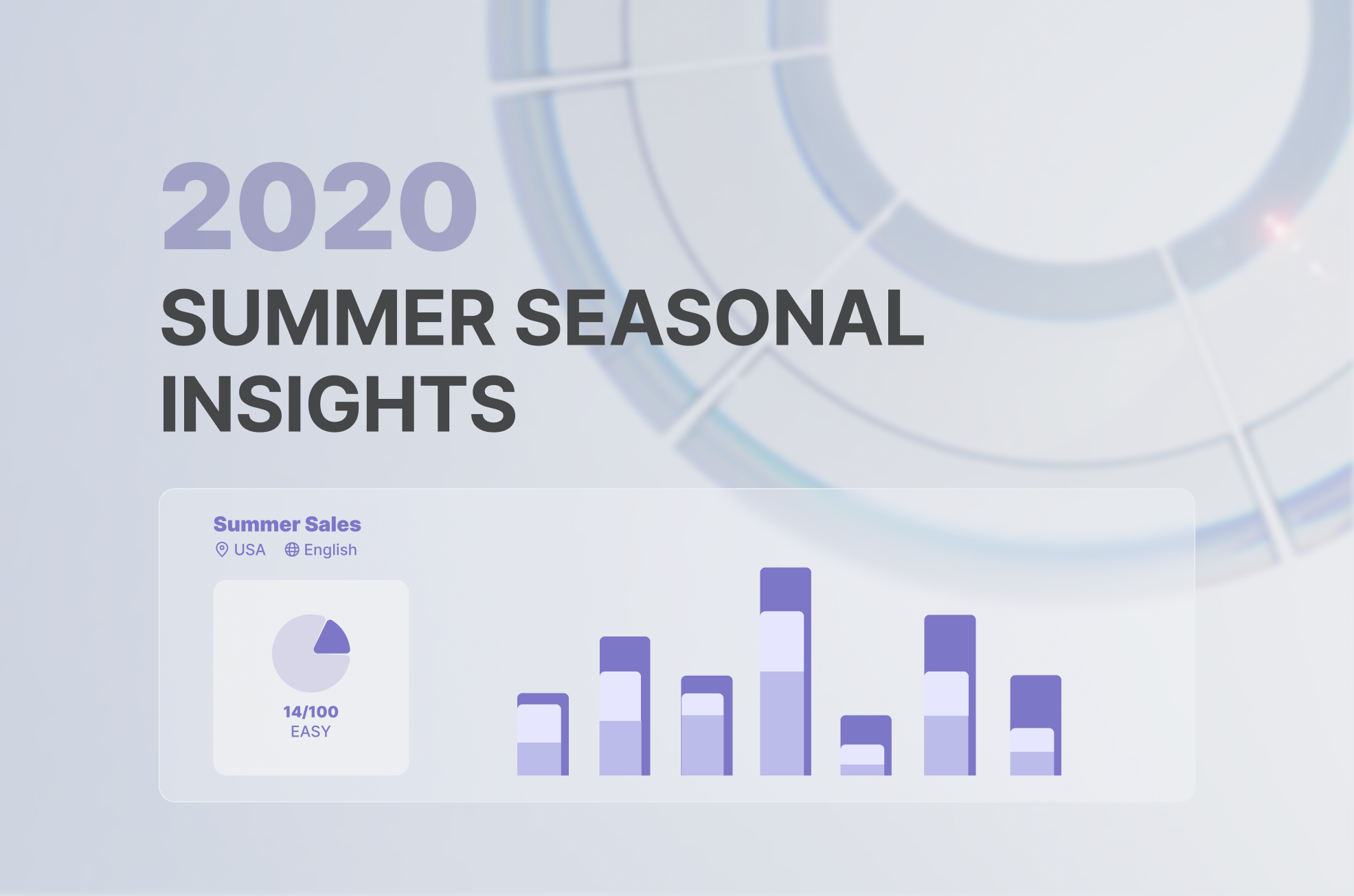
This article was first published in June 2020. The charts below show how interest in typical summer categories grew that year, with monthly search volumes as measured at the time. Use them as an example of the seasonal pattern, and check current data in Google Trends and your keyword tool before planning this year’s season.


Let your customers find you, wherever they look.
FAQ
Should I create a new page for every summer season?
No. Keep one seasonal category or landing page and update it every year, so it keeps its links and history.
How early should I publish summer content?
6–8 weeks before searches start rising, usually in March–April for summer products.
Which data should I use to plan the season?
Google Trends for the last 2–3 years for your market, plus Search Console data for the same period last year.
Sources
- Google Trends Help: How Trends data is adjusted
- Google Search Central: How HTTP status codes and network errors affect Google Search
About the author: This article was prepared by the Insightland SEO and GEO team. Insightland is a Wrocław-based agency, part of the Hexe Capital Tech Hub, that connects business, tech and data: SEO and GEO, performance marketing, UX and analytics, and SEO and AI training. Contact us.